
The Threat
This is not a warning.
It is already happening.
Across Belgium, bees are disappearing. Not always in dramatic ways, but slowly, season by season, through damaged habitats, chemical pressure, and a climate that is shifting faster than ecological rhythms can follow. The danger is not only that bees die. It is that decline becomes normal before society decides to act.
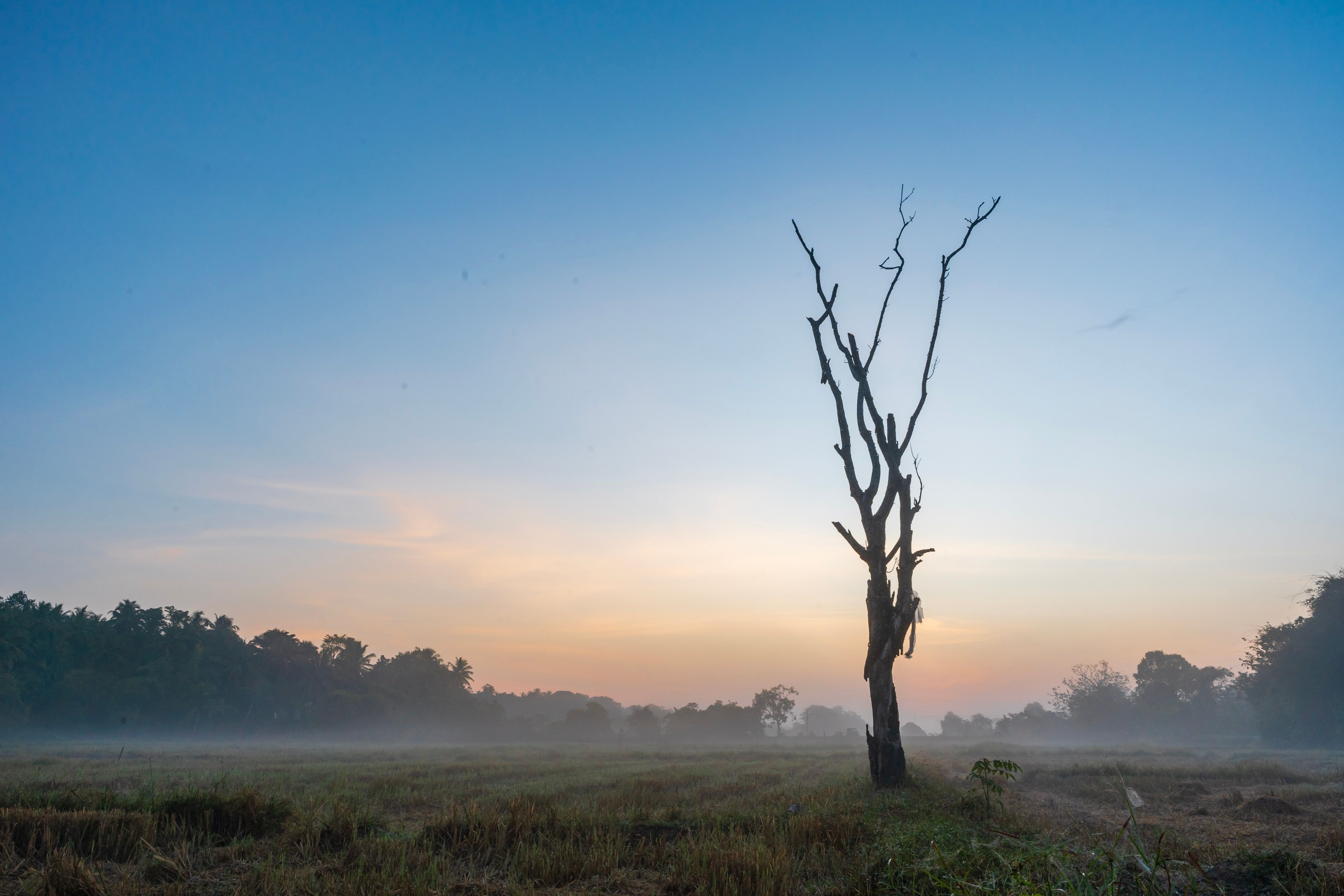
The threat often looks like absence, not catastrophe — a landscape becoming quieter, emptier, less alive.
Pesticides & Poison
They do not die all at once. That is the problem.
A bee exposed to harmful pesticides may not collapse immediately. It may lose its sense of direction, fail to return to the hive, gather less food, or raise fewer young. The damage is cumulative, subtle, and easy to misread as bad luck until the losses begin to repeat.
In highly managed agricultural landscapes, chemicals meant to protect yields do not neatly spare the pollinators on which ecological stability also depends. That is what makes this form of harm so dangerous: it hides inside normal farming systems until its consequences are everywhere.
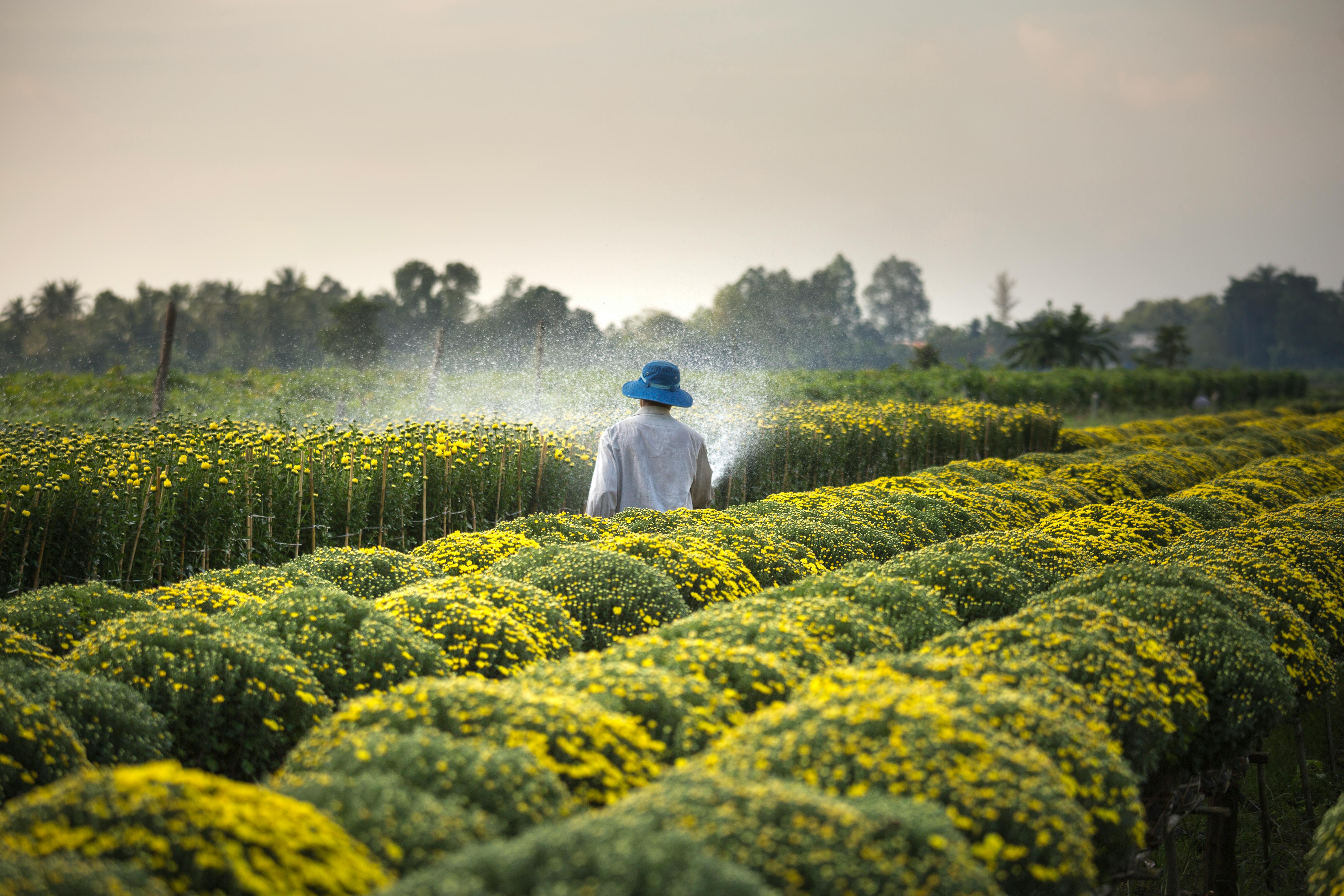
The danger is not only in the spray itself, but in the stripped-down landscapes that leave little room for pollinators to recover.
Disappearing Habitats
Bees need more than flowers. They need a home.
A bee needs food, shelter, nesting sites, and connected landscapes. In Belgium, all of these are under pressure. Hedgerows disappear. Verges are cut too early. Gardens are paved. Rough, messy, unfashionable places — the kind many species quietly depend on — are removed piece by piece.
No single paving stone or mowing decision looks historic. But together they create landscapes that may still appear tidy to people while becoming unlivable for pollinators.

This is how habitat disappears in real life: quietly, domestically, one cleaned-up space at a time.
Climate & the Bees
The flowers bloom. The bees are not ready.
Climate disruption alters timing. Warmer winters and unstable springs can push flowering earlier, while the insects that depend on those rhythms may emerge at the wrong moment or under poor conditions. When flowers and pollinators drift out of sync, the system weakens from both sides.
These mismatches are easy to overlook because each spring still looks like spring. But the ecological timing underneath it is shifting, and pollinators are among the first to pay the price.
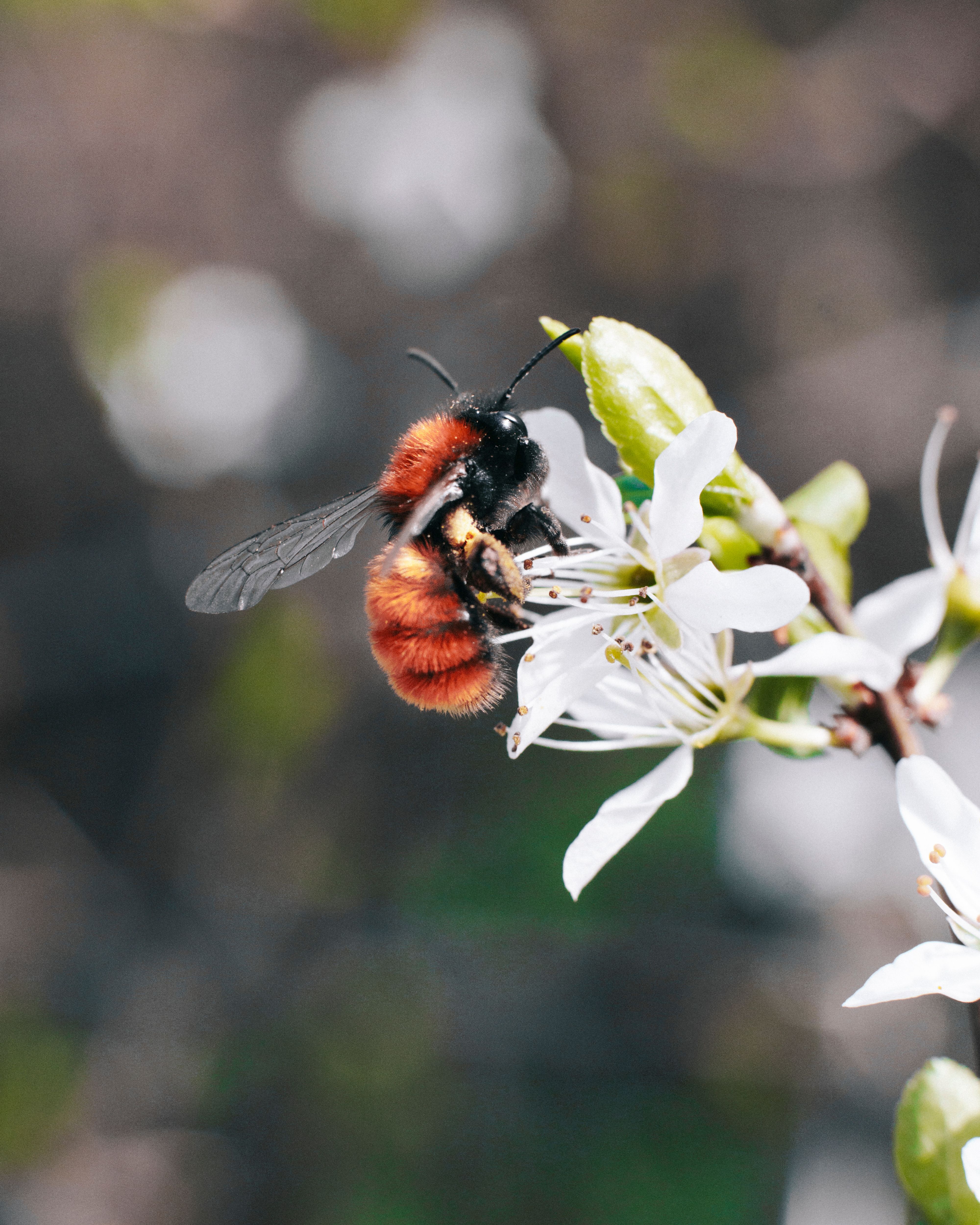
Spring beauty can hide ecological stress — blossoms arrive, but the timing beneath them may already be broken.
Stories from the Field
The people who see it first.
Researchers, beekeepers, farmers, and naturalists often describe the same pattern: places that once held life now feel strangely empty. Colonies fail. Fruit trees bloom without visitors. Monitoring sites that once produced records go quiet.
These are not abstract warnings from a distance. They are observations from people working close to the land, noticing that what used to be normal no longer is.
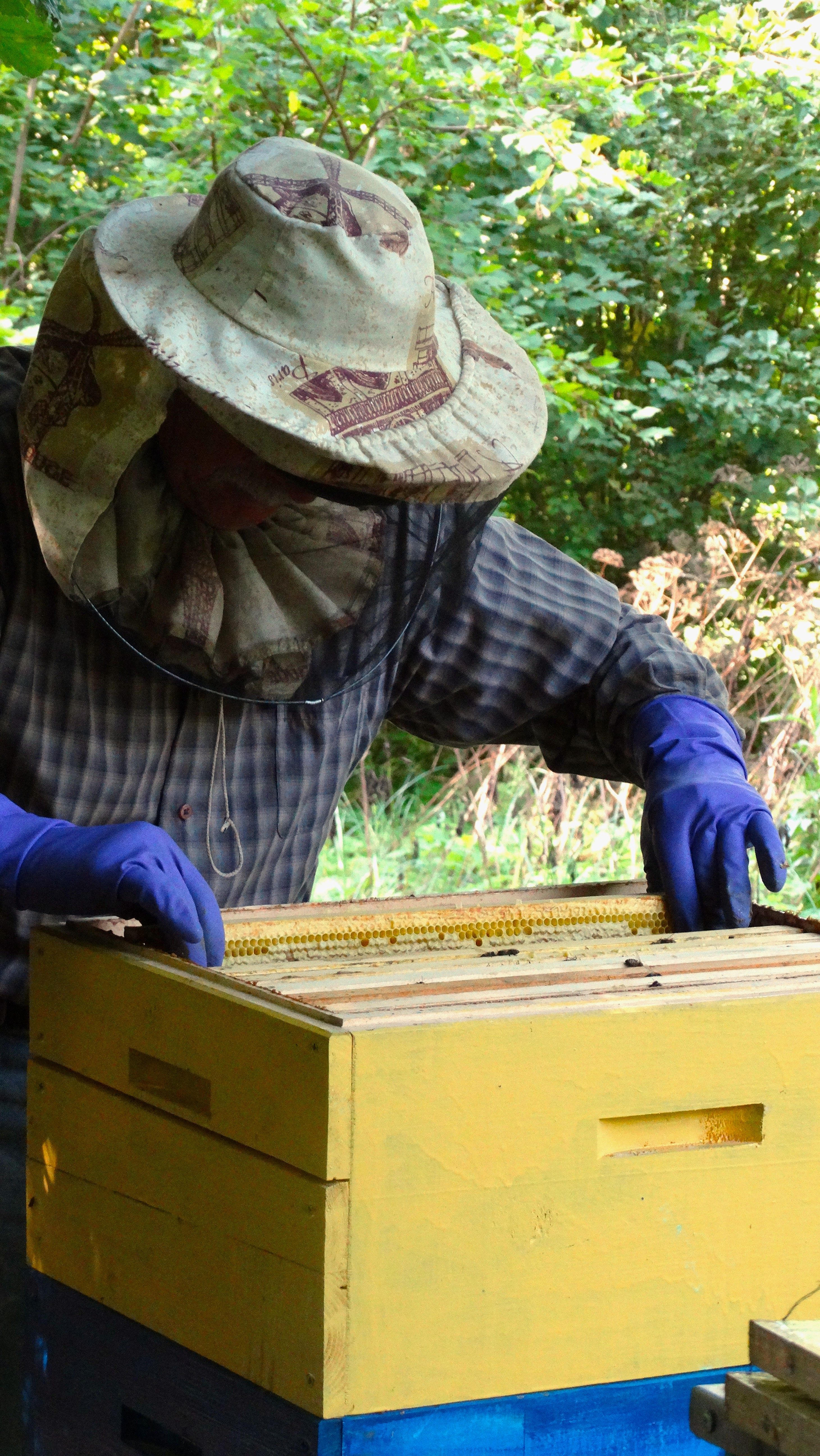
The crisis has witnesses — people who have been seeing the changes up close for years.